


To view images fullscreen please turn device
Iraq Tours & Holidays
Small Group Tours & Tailor-Made Holidays
Overview
Long known as the ‘Cradle of Civilisation’, the lands that today make up modern Iraq lie at the heart of some of the region’s most turbulent and momentous developments. Great empires rose and fell amongst the fertile plains of this ancient landscape. Fed by the waters of the Tigris and the Euphrates, Iraq today is home to over 46 million people and remains one of the most culturally and religiously diverse nations anywhere in the region.
Covering over 438,000 square ...
Long known as the ‘Cradle of Civilisation’, the lands that today make up modern Iraq lie at the heart of some of the region’s most turbulent and momentous developments. Great empires rose and fell amongst the fertile plains of this ancient landscape. Fed by the waters of the Tigris and the Euphrates, Iraq today is home to over 46 million people and remains one of the most culturally and religiously diverse nations anywhere in the region.
Covering over 438,000 square kilometres, it encompasses rich alluvial plains, barren deserts and wetland marshes that are home to Marsh Arabs and some 50 species of birds and rare fish. To the north, Iraq’s craggy mountains play host to the staunchly proud Kurds and the country’s ancient Mesopotamian heritage is considered one of the oldest and most culturally influential in the world. The brutal regime of Saddam Hussein and its aftermath have left Iraq with an unenviable image, but dig beneath the surface and you will find so much more.
This is the land of the Sumerians and the origins of the written word. The first laws were inscribed here under the Babylonians and the Persians established an empire that straddled the known world. Iraq today may not be the legendary Garden of Eden that it once was, but its lure remains just as tantalising.
Start your journey
Group tours
Travel to Iraq with like-minded people on one of our Iraq group tours (max size 12), featuring knowledgeable local guides and an expert tour leader.
HIGHLIGHTS OF IRAQ
BEST EXPERIENCES
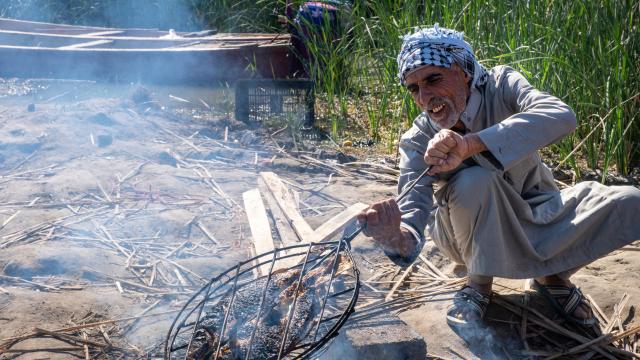
Meet the Marsh Arabs
Head out by boat and meet the Marsh Arabs who make the waters of this vast eco system their home, enjoy a local fish speciality and hear the stories of these ancient people.
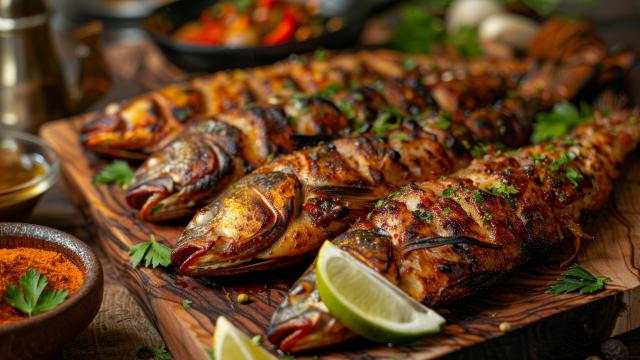
Taste the Local Cuisine
From the national speciality of masgouf, a grilled fish to sweet pastries and strong black tea, Iraqi cuisine reflects the diverse influences on its rich culture.
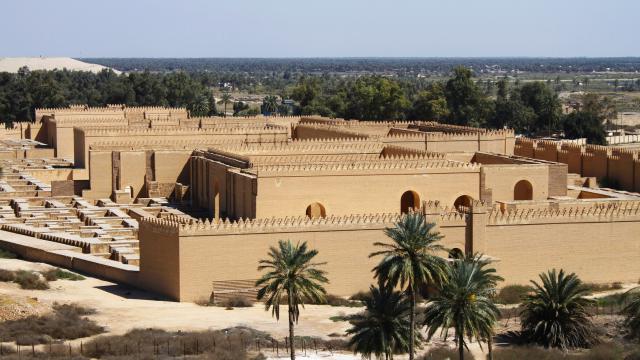
Explore Ancient Babylon
One of the most famous cities of Biblical times and once the home of the hanging gardens, the site of Babylon is vast and a mix of restored remains and rebuilt palaces.
Discover more
WHEN TO GO
Iraq sees hot, dry summers across the country with mild winters in the south whilst the north can see snow in the mountains. The best time for visiting Iraq is spring and autumn with warm sunny days and mild evenings.
LGBTQIA+ Guidance
When planning to travel as a member of the LGBTQIA+ community, there may be additional things you wish to consider doing, such as:
- Speaking to one of our travel experts for information about travelling in your chosen destination and local attitudes towards members of the LGBTQIA+ community
- Checking the Human Dignity Trust map which highlights regions and countries which are potentially dangerous to LGBTQIA+ people, or Equaldex, which tracks the progress of LGBTQIA+ rights around the world.
- Checking the ‘Local laws and customs’ section of your country's official foreign travel advice page
- Looking for any updates for your desired destination on the Human Rights Watch LGBTQIA+ rights page
- Buying a recommended guidebook, as many include an LGBTQIA+ section and advice for LGBTQIA+ travellers
USEFUL INFORMATION
Health & Vaccinations
There are no mandatory immunisations for travellers to Iraq though you should be up-to-date with Typhoid, Tetanus, Polio and Hepatitis A. We recommend you seek advice from your local GP or travel centre as to the correct immunisations and preventative treatments.
Currency
In Iraq the official unit of currency is the Iraq Dinar (IQD). There is an official rate and a local rate of exchange in Iraq with the local rate being more favourable.
To check out the latest exchange rate for the places that you are visiting you can go to www.oanda.com.
Cultural Sensitivity
On our tours you will frequently interact with local people, each with their own distinct customs and traditions. We therefore ask you to be considerate and to treat them with respect. Your tour-leaders and guides will always be able to advise you accordingly.
Iraq is a friendly country however tourism is still scarce, while the majority of Iraqis will be interested to see tourists it is important to follow safety and security instructions given. It is best to avoid discussing sensitive political topics, including sectarian issues or criticism of the government. This can be a sensitive subject and may lead to misunderstandings.
Always ask for permission before taking photos of people, especially women. Avoid photographing military sites, government buildings, and checkpoints.
Iraq is a predominantly Muslim country and Islam plays a central role in daily life, when visiting religious sites it is important to adhere to any dress codes and rules such as removing shoes. Women will also need to wear an abaya when entering a mosque (abayas will be provided by the tour leader).
Public displays of affection are not considered as being consistent with local culture and traditions and must be avoided. Avoid initiating physical contact such as shaking hands with women or speaking to them in a manner that could be perceived as overly familiar. In many parts of Iraq, men and women have distinct social roles, and maintaining appropriate boundaries is important.
Both men and women are asked to dress modestly in public, avoiding tight fitting clothing.. Women should wear long trousers and skirts and cover their elbows, men should wear long trousers.
Language & Religion
In Iraq, the main language is Arabic, Kurdish is spoken in Kurdistan and many more languages are spoken by the various other ethnic groups. English may be spoken in larger cities. Iraq is a predominantly Muslim country with a mix of Sunni and Shia making up 97% of the population, there are also small numbers of Christians, Mandeans, Zoroastrians and Yazidis.
Time
Iraq is 3 hours ahead of GMT.
A useful website to check the time zone differences is www.worldtimezone.com.
Food and drink
In Iraq mealtimes celebrate the communal aspects of dining with meals shared by groups of friends and family, tea shops are social places and provide a place of community.
Iraqi cuisine is influenced by Mesopotamian, Persian, Arabic and Turkish traditions and has plenty of flavour, variety and spice. Expect a variety of meat and vegetable stews mainly with chicken or lamb, aubergines, onions, tomatoes and garlic as well as lentils and spices. Rice and bread are commonly served and you will also find barbecued skewers of meat served with salads and vegetables.
National dishes include masgouf, a traditional dish of marinated and grilled carp and tashreeb a hearty meat and vegetable stew.
Sweets and pastries are common including baklava, zlabia and halva and you may be served a breakfast of kahi, layered pastry covered in sweet syrup served with water buffalo cream.
Sweet black tea is an essential part of Iraqi culture and thick Arabic coffee can also be easily found.
Different diets can be catered for however dishes may lack variety and be repetitive, especially for vegans.
Alcohol is not banned other than in the holy cities but is very scarce and drinking is discouraged.
Travelling Solo In Iraq
All of our small group tours are designed to cater for solo travellers: the number of solo travellers will vary from tour to tour, but usually over half will be travelling alone. Get all of the excitement of discovering new places combined with the security of travelling with an organised group, with like minded people.